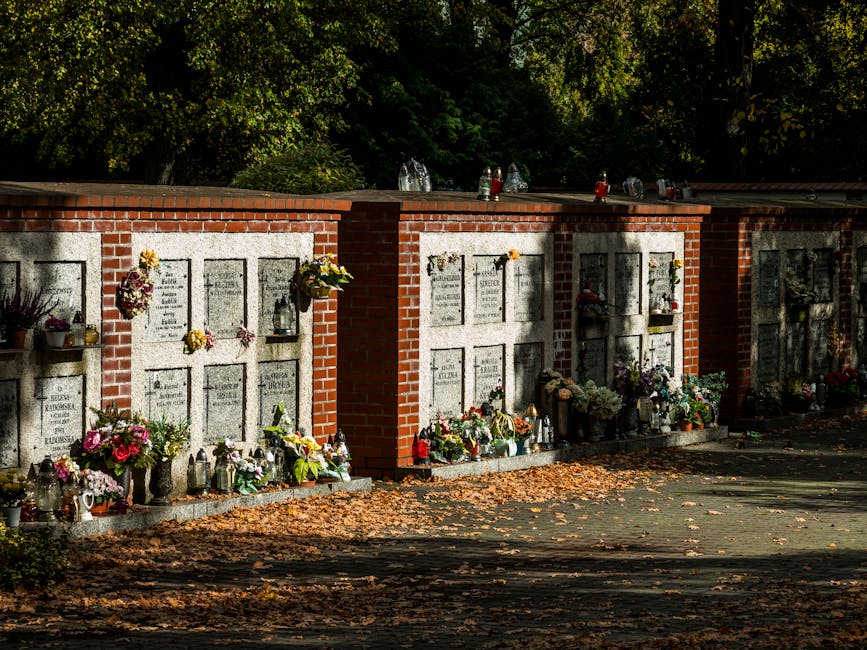
Golders Green crematorium bulky rubbish removal guide NW11
If you are dealing with bulky rubbish near Golders Green Crematorium, the job can feel oddly complicated. It is not just about lifting a sofa or clearing a pile of unwanted bits and pieces. In NW11, timing, access, discretion, and disposal all matter. This Golders Green crematorium bulky rubbish removal guide NW11 walks you through what usually happens, what to watch out for, and how to organise a smooth clearance without turning an already difficult day into a bigger headache.
Whether you are arranging a sensitive house clearance, removing furniture after a probate visit, or simply shifting awkward waste from a property near the crematorium, the goal is the same: do it efficiently, respectfully, and with as little disruption as possible. Let's face it, nobody wants a van blocking the road while families, staff, or neighbours are trying to get on with their day.
Table of Contents
- Why Golders Green crematorium bulky rubbish removal guide NW11 Matters
- How Golders Green crematorium bulky rubbish removal guide NW11 Works
- Key Benefits and Practical Advantages
- Who This Is For and When It Makes Sense
- Step-by-Step Guidance
- Expert Tips for Better Results
- Common Mistakes to Avoid
- Tools, Resources and Recommendations
- Law, Compliance, Standards, or Best Practice
- Options, Methods, or Comparison Table
- Case Study or Real-World Example
- Practical Checklist
- Conclusion
- Frequently Asked Questions
Why Golders Green crematorium bulky rubbish removal guide NW11 Matters
Areas around a crematorium ask for a different level of care. The location itself tends to be busy, emotionally charged, and often tighter for parking than people expect. Bulky rubbish removal in this setting is not just a straightforward "load and go" job. It can involve quiet handling, careful scheduling, and being thoughtful about where vehicles stop, how long loading takes, and what is being removed.
In NW11, that matters for families, visitors, neighbours, and local businesses alike. A pile of old furniture, broken cabinets, or excess waste can quickly create visual clutter, trip hazards, and stress. If you have ever stood in a hallway with an old wardrobe that barely fits through the door, you will know the feeling. The thing starts as one item and somehow becomes six decisions.
This guide is especially useful if you are managing clearance around a bereavement, preparing a property for sale, or removing items after a long period of storage. The practical side is important, but so is the tone. A sensitive, organised approach usually feels better for everyone involved.
Expert summary: When bulky rubbish removal is needed near Golders Green Crematorium, the smartest approach is usually the one that is quiet, well-planned, and properly sorted before anyone arrives on site.
For readers looking beyond one-off rubbish removal, it can also help to understand the wider clearance options available, such as home clearance, house clearance, and furniture disposal, depending on what needs to go and how much is involved.
How Golders Green crematorium bulky rubbish removal guide NW11 Works
Most bulky rubbish removals follow a similar structure, even if the details change from job to job. First, the waste is assessed. Then the access is checked. Then the team decides what can be moved safely, what needs extra labour, and whether items can be reused, recycled, or need disposal.
Near the crematorium, the practicalities become a little more delicate. A team may need to plan around services, visitor flow, narrow roads, or limited stopping time. A fast, tidy removal is generally better than a drawn-out one. You want the collection to feel unobtrusive, not like an event in itself. Truth be told, that is usually what people want in a sensitive setting.
Typical bulky items might include:
- old sofas, chairs, and wardrobes
- broken beds and mattresses
- white goods that are no longer working
- mixed household junk from lofts, garages, or spare rooms
- garden furniture and outdoor waste
- bagged rubbish that has built up alongside larger items
Depending on the type of material, you may need a service focused on general waste removal or something more targeted like furniture clearance or garage clearance. The cleaner and more specific your job brief, the smoother the collection tends to go.
In our experience, the jobs that run best are the ones where the customer has already grouped items by type and made sure the route to the front door is clear. Simple, but it saves time and awkward lifting.
Key Benefits and Practical Advantages
A well-planned bulky rubbish removal service brings a lot more value than just a tidy skip-load disappearing down the road. Around Golders Green Crematorium, the benefits are often as much about peace of mind as they are about speed.
- Less disruption: items are removed quickly, with less noise and fuss.
- Better discretion: helpful when you are managing a bereavement or working near visitors.
- Safer access: heavy objects are moved by people used to awkward lifts and confined spaces.
- Improved sorting: reusable or recyclable items can be separated where possible.
- No need for a skip permit: in many cases, a direct collection avoids leaving a skip on the road.
- Faster property readiness: useful when a home, flat, or office needs to be sold, handed back, or renovated.
There is also a practical emotional benefit. A cleared room feels different. It sounds silly, maybe, but the moment an overloaded space is emptied out, the tension drops a little. You can think more clearly. Decisions become easier.
If your clearance extends beyond a few awkward items, you may want to compare options like flat clearance and furniture clearance, especially where the waste is mixed with household contents or requires careful sorting.
Who This Is For and When It Makes Sense
This guide is for people who need bulky rubbish cleared in or around NW11 and want a sensible, respectful way to do it. That could be a family member handling a relative's property, an executor arranging a probate clearance, a landlord preparing a flat, or a homeowner finally dealing with the "we'll sort that out later" pile in the spare room.
It also makes sense for local businesses. Offices, studios, and small commercial spaces sometimes build up old desks, chairs, filing units, and packaging debris around a move or refit. If that sounds familiar, a more commercial route such as office clearance or business waste removal may fit better than a standard one-off junk collection.
Common situations where bulky removal is worth arranging:
- after a bereavement or estate settlement
- before selling or letting a property
- after a loft, garage, or shed has been packed too full
- during a downsizing move
- before renovation or decoration
- when items are too big for council collection or too awkward for personal transport
Sometimes the decision is emotional rather than practical. A room full of old belongings can feel heavy in a way that is hard to explain. And yes, that is a perfectly normal reason to want help.
Step-by-Step Guidance
If you want the process to be calm and efficient, a simple structure helps. Here is the approach that tends to work best.
- List everything that needs removing. Be specific. "Old furniture" is less useful than "3-seat sofa, armchair, bedside cabinet, and two broken lamps."
- Separate bulky items from loose waste. This makes quoting and loading much easier.
- Check access carefully. Think about staircases, tight hallways, lifts, parking, and whether anything needs dismantling first.
- Flag sensitive timing. If you need quiet access around a crematorium visit or memorial service, say so early.
- Ask about sorting and disposal. It is useful to know what will be recycled, reused, or taken for disposal.
- Confirm the pricing basis. Make sure you understand whether the quote is based on load size, item type, labour, or access issues.
- Prepare the space. Move small personal items, clear walkways, and keep doors open if appropriate.
- Walk through the job at the start. A quick review on arrival avoids confusion and missed items.
A small but useful tip: take photos before the collection, especially if you are dealing with an estate or shared property. It is not about being formal for the sake of it; it simply helps everyone stay aligned. A picture or two can save a long phone call later.
If the job includes awkward old furniture, you might also find the guidance on furniture clearance helpful because it often comes down to the same question: can the items be moved safely without damaging walls, floors, or door frames?
Expert Tips for Better Results
Most of the stress in bulky rubbish removal comes from rushing. Slow down a bit at the start and the whole thing becomes easier. That sounds obvious, but honestly, people skip this step all the time.
- Group items by room or type. Keep furniture, general rubbish, and electricals separate where possible.
- Measure oversized items. Large wardrobes and sofas often need dismantling before they leave the property.
- Protect floors and corners. A quick layer of cardboard or blankets can help if the route is tight.
- Be realistic about timing. One van load and a full house are very different jobs.
- Keep sentimental items away from the clearance area. In busy moments, mixed piles happen. They really do.
- Ask about recycling and re-use. A responsible operator should be able to explain what happens next in plain English.
Another good habit is to think about the order of removal. Heavy, awkward items usually go first, then smaller pieces, then loose waste. That avoids the "we cleared the easy stuff but now can't reach the heavy one" problem. Not glamorous, but useful.
If you are working from a larger property, house clearance or home clearance can be better value and less disruptive than booking multiple small visits.
Common Mistakes to Avoid
There are a few mistakes that crop up again and again. They are easy to make, especially when you are juggling emotions, time pressure, and a bit of physical clutter all at once.
- Mixing everything together: bulky furniture, general rubbish, and specialist waste all in one pile can slow the job down.
- Forgetting about access: a narrow staircase or limited parking can change the whole plan.
- Underestimating volume: what looks like "a few items" can turn into a near-full load.
- Leaving valuables inside items: drawers, cushions, bags, and cupboard backs hide more than people expect.
- Assuming every item can go the same way: some waste types need special handling.
- Choosing purely on price: the cheapest option is not always the cleanest, safest, or most reliable.
The biggest one, if we are being honest, is not preparing enough. A 10-minute tidy-up before the team arrives can save a whole lot of hassle. Not every job needs perfection. Just a bit of sense.
Where mixed waste includes building debris from a refurbishment, builders waste clearance may be the more suitable route.
Tools, Resources and Recommendations
You do not need much in the way of fancy equipment to prepare for bulky rubbish removal. A few practical items go a long way.
| Item or resource | Why it helps | Best use |
|---|---|---|
| Marker labels | Helps separate keep, remove, and donate piles | Probate, decluttering, shared properties |
| Strong tape | Secures drawers, doors, and loose parts | Furniture and dismantled items |
| Heavy-duty bags | Makes mixed rubbish easier to carry safely | Loose waste and smaller debris |
| Blankets/cardboard | Reduces scuffs on walls and floors | Staircases, narrow hallways, tight turns |
| Basic measuring tape | Checks if large items can fit through the route | Sofas, wardrobes, beds |
For people managing multiple areas of the property, a few other pages can be useful too. Loft clearance is handy where hidden storage has become packed over time, while garage clearance works well for the classic "everything we couldn't decide about went in there" situation. Happens everywhere, honestly.
If you want a more sustainability-focused approach, it is worth looking at recycling and sustainability so you understand how reusable materials are handled and why sorting matters.
Law, Compliance, Standards, or Best Practice
Bulky rubbish removal in the UK should be handled responsibly, with care for safety, legal disposal, and waste segregation. You do not need to memorise every rule, but you should expect the company you choose to operate in line with standard waste handling practice and to manage items appropriately.
For the average customer, the main things that matter are straightforward:
- waste should go to lawful disposal or recycling routes
- items should be handled safely during lifting and loading
- hazardous or specialist materials should not be mixed in casually with general waste
- providers should be clear about what they take and what they do not
Good best practice also includes sensible insurance cover, decent lifting methods, and clear communication before the job starts. If a company cannot explain how they work, that is a bit of a red flag. Not a huge one maybe, but enough.
If safety and accountability are important to you, pages like health and safety policy, insurance and safety, and terms and conditions are useful places to understand how a provider approaches risk and customer responsibilities.
For payments, it is also reassuring to review payment and security and the clear pricing guidance on pricing and quotes.
Options, Methods, or Comparison Table
There are several ways to handle bulky rubbish around NW11, and the right choice depends on volume, access, urgency, and how sensitive the environment is.
| Method | Best for | Pros | Watch-outs |
|---|---|---|---|
| One-off bulky collection | A few large items | Simple, quick, usually low effort | May not suit mixed or large-volume waste |
| Full house or home clearance | Multiple rooms or estates | More comprehensive, less repetitive booking | Needs better planning and sorting |
| Furniture-focused removal | Sofas, beds, wardrobes, tables | Good when items are bulky but straightforward | May not cover general rubbish |
| Office or business clearance | Commercial premises | Useful for desks, chairs, and stockroom waste | Access and timing can be more complex |
| Specialist waste removal | Mixed or awkward waste | Flexible for unusual jobs | May need a more detailed quote |
For a lot of people near Golders Green Crematorium, the decision comes down to how many rooms are affected and whether the job is emotionally sensitive. A small clearance can be done quickly. A larger estate job often benefits from a more structured approach, even if it takes a bit more planning upfront.
Case Study or Real-World Example
A typical NW11 example would be a family clearing a relative's flat after a funeral. The property contains a sofa, two armchairs, a bed frame, several boxes of books, and a jumble of general household waste from cupboards and storage spaces. Nothing outrageous. Just one of those jobs that feels heavier than it looks.
The first thing they do is sort the contents into three rough groups: keep, clear, and donate or recycle. Then they check access from the front door to the street, measure the largest wardrobe section, and make sure fragile items are removed from drawers before the clearance day. The team arrives, confirms what is going, and works methodically from the back room outward.
What makes the job go well is not speed alone. It is the calm pace, the lack of confusion, and the fact that the family does not need to make big decisions while the van is already there. That can be a relief, genuinely.
In situations like this, a combination of flat clearance and furniture disposal often matches the real need better than a generic rubbish service. It gives a cleaner route from "we don't know where to start" to "right, that is done."
Practical Checklist
Use this before booking or on the morning of the clearance.
- List all bulky items and note any especially heavy pieces
- Check for items that need dismantling
- Separate keep, clear, recycle, and donate where possible
- Measure doors, stairs, lifts, and tight corners
- Confirm parking or stopping access
- Make sure walkways are clear and safe
- Remove personal paperwork, keys, and valuables
- Tell the provider about any sensitive timing or access issues
- Ask how waste will be sorted and handled
- Review pricing, payment, and what is included
It is a simple list, but it saves a lot of back-and-forth. If you are already dealing with a difficult week, that matters.
When in doubt, start with the biggest awkward item first. It usually sets the tone for the whole job.
Conclusion
Golders Green crematorium bulky rubbish removal guide NW11 is really about more than taking away unwanted items. It is about making a difficult or busy moment feel manageable. The best results usually come from clear planning, respectful timing, and a provider that understands how to work quietly and safely in a sensitive local setting.
If you remember only one thing, make it this: sort the items first, think through access second, and choose the removal method that matches the situation rather than forcing everything into one category. That small bit of preparation makes the whole process smoother, calmer, and far less wasteful.
If you are ready to move things along, compare the most suitable clearance option, check the practical details, and book a time that fits the day rather than fighting it.
Get a free quote today and see how much you can save.
Frequently Asked Questions
What does bulky rubbish removal usually include near Golders Green Crematorium?
It usually includes large household items such as sofas, beds, wardrobes, tables, and mixed waste that is too awkward for normal bins. Depending on the job, it may also cover loose rubbish, dismantled furniture, and some recyclable materials.
Can bulky rubbish be removed discreetly in NW11?
Yes, it can. A good provider should work quietly, plan access carefully, and avoid unnecessary disruption. That matters a lot in sensitive or busy locations near the crematorium.
Do I need to sort the waste before collection?
Basic sorting helps a lot, though you do not always need to separate everything perfectly. Grouping furniture, general rubbish, and keep items before the team arrives usually saves time and reduces mistakes.
Is a full house clearance better than a one-off bulky item collection?
It depends on the volume. If you only have a few large items, a smaller collection is often enough. If several rooms are involved, house clearance or home clearance is often the more practical choice.
What if the items are too heavy to move safely?
That is exactly when professional help makes sense. Heavy or awkward items should not be forced through tight spaces without the right lifting approach, because damage and injury risks go up quickly.
Can furniture be taken away as part of the same visit?
Yes, often it can. Furniture is one of the most common bulky waste types, and services like furniture clearance or furniture disposal are designed for exactly that kind of work.
How do I know if I need waste removal or furniture clearance?
If the load is mostly general rubbish, waste removal is usually the better fit. If the job is dominated by sofas, wardrobes, beds, or similar pieces, a furniture-focused service may be more suitable.
What should I ask before booking?
Ask what is included, how access affects pricing, whether recycling is part of the process, and how payment works. It is also sensible to ask whether the team can handle fragile access, stairs, or items that need dismantling.
Are there any safety concerns I should think about?
Yes. Tight hallways, broken furniture, hidden sharp edges, and heavy lifting all create risks. It is best to keep walkways clear and avoid moving oversized items alone if they feel unstable or too heavy.
What if I am clearing a property after a bereavement?
Then discretion and pacing matter as much as the physical clearance. Many people find it easier to use a structured service so they are not making constant decisions under pressure. Be kind to yourself; these jobs are not small.
Can a clearance service handle garage or loft items too?
Yes, in many cases. If the bulky rubbish has built up in storage spaces, garage clearance and loft clearance can be a better match than trying to treat it as one general pile.
How do I make the collection faster on the day?
Clear the route, label what is going, and keep anything you want to keep completely separate. A little preparation before the van arrives can save a surprising amount of time.
Where can I find more information about sustainability and safe handling?
You can review the company's approach to recycling and sustainability, along with safety and operational pages if you want a clearer picture of how waste is managed.