Commercial rubbish removal on Finchley Road, Golders Green: a practical guide for busy businesses
If you run a business on or near Finchley Road, rubbish has a habit of appearing at the worst possible time. One day it is packaging after a stock delivery, the next it is broken office furniture, old fittings, or bags of waste left behind after a refit. Commercial rubbish removal on Finchley Road, Golders Green is about dealing with that mess quickly, lawfully, and without disrupting the working day. Done well, it keeps premises safer, tidier, and easier to manage. Done badly, it becomes one more thing on an already full plate.
This guide explains how the service works, who needs it, what to watch for, and how to make a sensible choice. It is written for real businesses, not just search engines. If you want a clearer idea of costs and next steps, you can also look at our pricing and quotes information or learn more about the company on the about us page.
Table of Contents
- Why Commercial rubbish removal on Finchley Road, Golders Green Matters
- How Commercial rubbish removal on Finchley Road, Golders Green Works
- Key Benefits and Practical Advantages
- Who This Is For and When It Makes Sense
- Step-by-Step Guidance
- Expert Tips for Better Results
- Common Mistakes to Avoid
- Tools, Resources and Recommendations
- Law, Compliance, Standards, or Best Practice
- Options, Methods, or Comparison Table
- Case Study or Real-World Example
- Practical Checklist
- Conclusion
- Frequently Asked Questions
Why Commercial rubbish removal on Finchley Road, Golders Green Matters
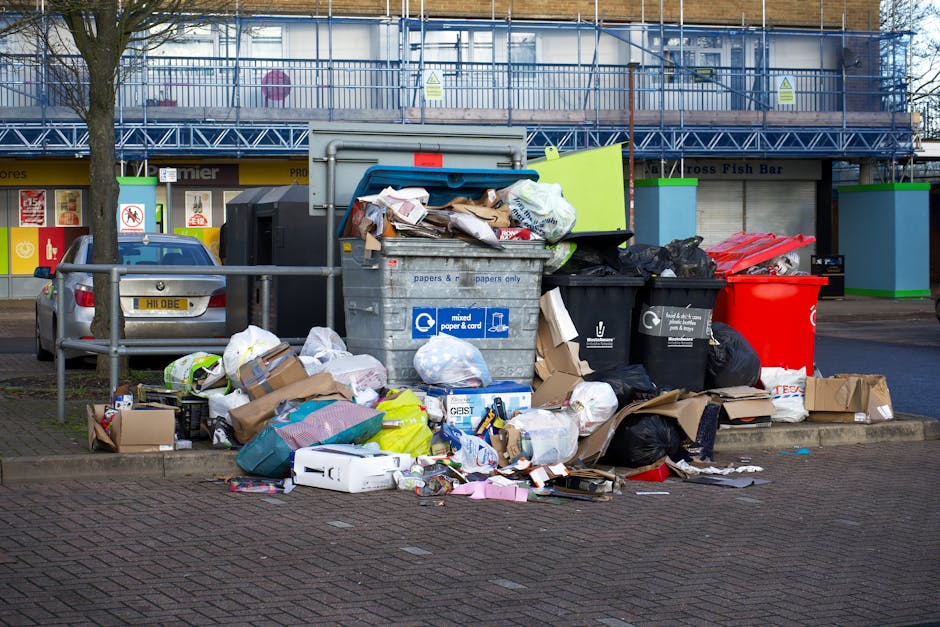
Commercial premises produce waste in ways that residential properties simply do not. Offices create paper, cardboard, packaging, and redundant furniture. Shops produce display waste, damaged stock, and back-of-house clutter. Cafes, clinics, salons, studios, and managed buildings all have their own mix. On a busy stretch like Finchley Road, rubbish builds up fast and can spill into customer-facing areas if you are not careful.
That matters for more than appearance. Overflowing waste can block access routes, create trip hazards, attract pests, and make a workplace feel chaotic. It can also make simple tasks harder. Staff waste time moving bags around, managers keep postponing clearouts, and the job becomes larger than it needed to be. You know how it goes: a few boxes in the corner quietly become a small mountain.
There is also the local reality of limited time and limited space. Many businesses on Finchley Road operate with tight stock rooms, shared entrances, or loading constraints. That makes a scheduled, reliable removal service more than a convenience. It becomes part of keeping the business running smoothly. In our experience, the best outcomes come when rubbish removal is treated as routine maintenance, not a panic response.
Expert summary: Commercial rubbish removal works best when it is planned around your trading hours, your access points, and the type of waste you actually produce. That simple shift saves time, reduces mess, and lowers the risk of avoidable problems.
How Commercial rubbish removal on Finchley Road, Golders Green Works
The process is usually straightforward, though the details matter. A business explains what needs removing, where it is located, and how much there is. A sensible provider then assesses the job, confirms the waste type, and arranges a collection window that fits the premises. Sometimes that is a same-day or next-day visit. Sometimes it is a planned clearance after hours, especially where customer traffic is heavy.
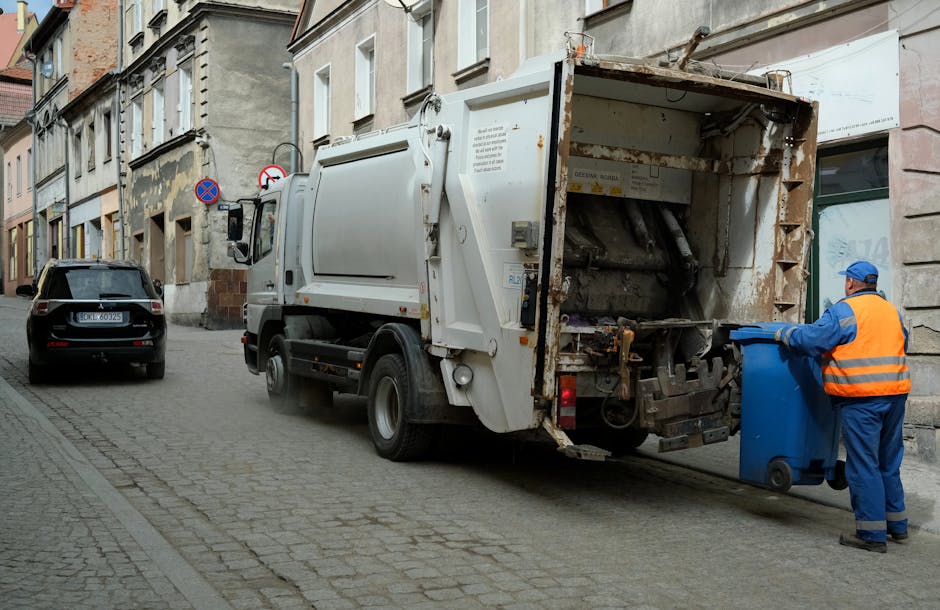
On the day, the team arrives with the right vehicle, lifting gear, and protective equipment. They remove the items from inside or from a designated loading point, sort what can be reused or recycled, and leave the area swept and tidy. Depending on the waste, separate handling may be needed for electrical items, confidential materials, bulky furniture, or mixed commercial waste. None of this should feel mysterious. Good service is practical, calm, and pretty unglamorous, which is exactly what you want.
For businesses that prefer clarity around the service process, the terms and conditions and health and safety policy can help explain how work is carried out, while the insurance and safety information gives reassurance about risk management and on-site care.
A typical commercial rubbish removal job may involve:
- office clearances and strip-outs
- shop and retail waste removal
- furniture and fixture disposal
- cardboard and packaging waste
- bulky mixed waste from refurbishments
- light clearance work after relocations or closures
One point that often gets overlooked: access. Lifts, stairwells, rear entrances, parking, and any loading restrictions can change the whole rhythm of the job. A provider who asks the right questions early is usually the one who avoids delays later. That is a good sign, not an annoying one.
Key Benefits and Practical Advantages
There is a strong business case for using a professional rubbish removal service, even if the waste looks manageable at first glance. The immediate benefit is time. Staff do not have to stop their own work to haul rubbish around, and managers are not left improvising with borrowed trolleys and half-finished plans.
Another big advantage is consistency. Commercial waste should not depend on who happens to be in the building that day. A proper service gives you a repeatable way to clear clutter, empty storage areas, and keep back-of-house spaces usable. That makes a noticeable difference in places where space is already at a premium.
There is also a safety angle. Piles of boxes, old desks, loose cables, broken shelving, and heavy bags can all create risk. If something falls, snags, or blocks an exit route, the inconvenience becomes a much bigger issue. Truth be told, many clearances start because the space has become awkward, not because anyone planned a big declutter.
Other practical advantages include:
- better presentation for customers and visitors
- more usable storage and work space
- less strain on staff and facilities teams
- easier preparation for refurbishments or inspections
- more responsible handling of recyclable materials
If sustainability matters to your business, it is worth checking how a provider handles sorting and recovery. Our recycling and sustainability approach explains why separating reusable and recyclable items matters, even for fairly ordinary clearances.
Who This Is For and When It Makes Sense
This service is relevant to a wide range of businesses along Finchley Road and in the wider Golders Green area. Offices use it when they are relocating, upgrading furniture, clearing archive rooms, or emptying spaces after staff changes. Retailers use it when stock is damaged, displays are replaced, or stores need a post-refit tidy-up. Hospitality venues use it after equipment replacement, deep cleans, or seasonal changes.
It also makes sense for landlords, property managers, builders, and facilities teams. A small refurbishment can create more waste than people expect. Plasterboard offcuts, packaging, old fittings, and broken fixtures add up quickly. And if you are managing a building with shared access, the cleaner the clearance process, the easier life becomes for everyone else in the property.
Here are some common scenarios where commercial rubbish removal is the sensible option:
- you are downsizing and need storage cleared
- you are opening a branch and must remove leftover fitting waste
- you have outgrown old office furniture or equipment
- you need rubbish removed quickly before a handover
- you want to reduce clutter in staff-only areas
Sometimes the decision is not about volume. It is about timing. If waste is interfering with trading, causing stress, or making the premises harder to use, the job has already become important enough.
Step-by-Step Guidance
If you have never arranged a commercial clearance before, the process is easier when you break it into sensible steps. No drama, just order.
- Identify the waste clearly. Make a rough list of what needs removing. Is it mostly furniture, packaging, general business waste, or a mixed lot?
- Separate sensitive items. Keep aside confidential paperwork, data-bearing devices, and anything that needs special handling.
- Check access. Note lift size, floor level, parking options, opening hours, and whether the team will need to work around customers or staff.
- Request a quote. Be honest about the amount and type of waste. Underselling the job usually causes delays or surprise costs later.
- Choose the timing. Early morning, lunchtime, or after hours may be better depending on how busy the premises are.
- Prepare the space. Move small loose items if needed and make sure the route to the waste is safe and clear.
- Confirm disposal expectations. Ask how recyclable items are handled and what paperwork, if any, you should receive.
One useful habit is to take a few photographs before the job. It helps everyone stay on the same page, especially if the clearance involves several rooms or mixed waste types. A quick phone photo can save a lot of back-and-forth. Simple, but it works.
If you want to understand how service enquiries are handled, the contact page is the natural next step. For businesses that want to review purchasing and payment reassurance beforehand, the payment and security information is also worth reading.
Expert Tips for Better Results
The smoothest commercial removals usually share the same habits. They are not flashy. They are just well prepared.
First, avoid mixing unrelated waste streams. If you can separate cardboard, WEEE items, furniture, and general rubbish before collection, the process becomes easier and usually more efficient. Even a partial sort helps.
Second, think about access from the start. A van parked legally and close to the entrance may save more time than any amount of last-minute effort inside the building. On a busy road, that matters. A lot.
Third, keep one person in charge. Too many instructions from too many people slow everything down. A single site contact is usually enough to answer questions and confirm what stays and what goes.
Fourth, be realistic about timing. If your premises are active all day, ask for a slot that avoids your busiest period. The job will feel less disruptive and staff will thank you for it, probably quietly, which is fine.
Fifth, ask for a waste-handling explanation. You do not need a lecture. Just enough detail to know how items will be sorted, which materials are recycled, and whether anything requires special treatment.
It also helps to plan around business cycles. For example, shops often find that pre-season clearouts are easier than mid-season ones, and offices usually prefer collections before a major move or refit, not after everyone is already buried in boxes.
Common Mistakes to Avoid
Most problems with commercial rubbish removal are avoidable. The issue is usually not the waste itself. It is the planning around the waste.
- Leaving booking too late. Urgent clearances happen, of course, but last-minute arrangements can limit your options.
- Underestimating volume. A small pile in a back room can grow into a full load once it is gathered together.
- Forgetting access details. Narrow staircases, restricted parking, and security checks can change the schedule.
- Not separating hazardous or sensitive items. These need proper handling, not a rushed mixed pickup.
- Choosing only by price. The cheapest option is not always the most efficient or the safest.
- Failing to ask about recycling. Responsible disposal should be part of the conversation, not an afterthought.
A smaller but common mistake is assuming every item is just "rubbish." In practice, some items are reusable, some recyclable, and some need careful handling. Getting that distinction right saves bother later. It also tends to produce a tidier, more professional result.
Tools, Resources and Recommendations
You do not need a big toolkit for a commercial clearance, but a few practical items make the job easier. A mobile phone for photos, marker pens for labelling, gloves for staff who are sorting items, and a trolley or sack truck for heavier objects can all help. If the space is cluttered, stackable crates and a few spare bin bags are surprisingly useful too.
From a planning perspective, keep a simple waste list. It can be done in a notebook, spreadsheet, or whatever your team actually uses. What matters is clarity. For example:
- old desk frames: 4
- office chairs: 7
- cardboard boxes: 12
- mixed bags: 8
- broken shelving: 2 units
That kind of list helps a provider understand the job fast. If you are comparing providers, you may also want to review the pricing and quotes guidance so you know what information to have ready. It is not glamorous, but it saves time.
For businesses with strong governance requirements, the site's modern slavery statement may also be useful background reading, especially if you care about responsible sourcing and supply-chain standards. Not every customer will need that level of detail, but some do, and fair enough.
Law, Compliance, Standards, or Best Practice
Commercial waste has to be handled responsibly. In the UK, businesses generally have duties around keeping waste secure, using appropriate carriers, and disposing of material through legitimate channels. The details can vary depending on the type of waste and the business involved, so it is wise to confirm requirements rather than guess.
There are also practical compliance concerns that matter on a site level. Confidential paperwork should not be left exposed during a clearance. Electrical equipment should be separated where appropriate. Heavy lifting should be managed safely. And if the job involves shared premises, the route out should not block fire exits, reception areas, or customer access.
Best practice usually means three things: correct handling, clear documentation, and sensible risk control. That may sound dry, but it protects the business. It also reduces awkward follow-up questions later, which nobody enjoys.
If you want reassurance about how a provider approaches on-site risk, the health and safety policy and insurance and safety information are useful references. And if you ever need to raise a concern, there is also a complaints procedure available, which is a good sign that the company expects accountability rather than awkward silence.
Options, Methods, or Comparison Table
Businesses usually choose between a few broad approaches. The right one depends on urgency, volume, and how much internal resource you want to spend.
| Method | Best for | Pros | Trade-offs |
|---|---|---|---|
| Ad hoc commercial rubbish removal | One-off clearouts, relocations, refurbishments | Fast, flexible, minimal disruption | Requires clear brief and access planning |
| Scheduled waste collections | Ongoing waste generation | Predictable, tidy, easy to manage | Less suitable for bulky one-time jobs |
| In-house removal by staff | Very small, low-risk volumes | Can seem cheaper at first | Takes staff time, increases manual handling, and can become messy quickly |
For most businesses on Finchley Road, ad hoc removal is the practical choice when there is a clear one-off need. Scheduled collections suit firms producing steady waste day after day. In-house handling can work for tiny amounts, but once you start talking about bulky furniture or a serious clearout, it often stops being sensible.
Case Study or Real-World Example
Imagine a small professional office near Finchley Road preparing for a redesign. Over several weeks, broken task chairs, old filing cabinets, redundant monitors, cardboard from deliveries, and a pile of unused office accessories build up in a spare room. At first, everyone tells themselves it is temporary. Then the room stops being useful and starts becoming a storage problem.
The team books a commercial rubbish removal visit for early morning, before staff arrive. They photograph the items, separate a few files for secure retention, and clear a route from the back room to the loading point. On the day, the removal team takes the furniture and mixed waste, leaving the space ready for decorating. By lunchtime, the office feels lighter. Quieter too, oddly enough. Less visual noise. More room to breathe.
What made the difference was not just the removal itself, but the prep: accurate description, clear access, and a realistic plan. Nothing fancy. Just good sense.
Practical Checklist
Use this checklist before booking your commercial rubbish removal job.
- Have I listed the main waste types?
- Do any items need special handling or separation?
- Is access clear and described accurately?
- Have I thought about parking, lifts, and opening hours?
- Do I know whether the job should happen during or outside trading hours?
- Have I set aside confidential or sensitive material?
- Do I need a quote based on photos or a site visit?
- Have I checked the company's safety and insurance information?
- Do I understand the payment process and the expected next step?
- Will the area be left tidy enough for staff, customers, or contractors to use straight away?
If you can tick most of those off, you are in good shape. If not, do not worry. That is exactly why proper planning exists.
Conclusion
Commercial rubbish removal on Finchley Road, Golders Green is not just about taking waste away. It is about keeping business premises usable, safe, and presentable without turning the job into a distraction. For offices, shops, landlords, and facilities teams, the real value lies in speed, clarity, and a tidy finish.
The best results come from a simple formula: describe the job honestly, plan the access, separate what needs special handling, and choose a provider that treats safety and recycling seriously. That approach saves time, reduces friction, and makes the whole process feel manageable rather than stressful. And honestly, that is what most busy businesses need.
If you are ready to move from planning to action, the next step is straightforward: review the service information, check the practical details, and get a clear quote that fits your premises and timing.
Get a free quote today and see how much you can save.
For a friendly next step, use the contact page to discuss your clearance, or review the pricing and quotes page if you want to understand the process first. A tidy site has a way of lifting the whole day.
Frequently Asked Questions
What counts as commercial rubbish removal?
It usually means the collection and disposal of waste produced by a business, office, shop, or managed premises. That can include furniture, packaging, mixed rubbish, fittings, and other bulky items that are awkward to handle in-house.
How quickly can commercial rubbish be removed in Golders Green?
It depends on the amount of waste, access, and current booking levels. Smaller jobs are often easier to arrange quickly, while larger clearances may need a bit more planning. The safest approach is to ask early, especially if timing matters.
Do I need to sort the waste before collection?
Not always, but some sorting is helpful. Separating furniture, cardboard, electronics, and confidential material can make the job faster and cleaner. If you are unsure, describe the waste clearly when requesting a quote.
Can you remove office furniture from upper floors?
Usually yes, provided access is safe and the route is manageable. Staircases, lifts, and narrow corridors should be mentioned in advance so the team can plan properly. It sounds obvious, but people forget this more often than you'd think.
Is commercial rubbish removal suitable for retail units?
Yes. Retail units often need help with packaging waste, damaged stock, shelving, display units, and clearance work after a refit. Timing is often arranged around opening hours to reduce disruption.
What happens to recyclable items?
Where possible, recyclable materials should be separated and sent for appropriate recovery rather than disposed of as mixed waste. The exact handling depends on the items involved and the provider's process.
How do I know if a provider is safe and reliable?
Look for clear safety information, sensible communication, and a straightforward process for booking and payment. The health and safety policy and insurance and safety information are useful signs that a provider takes risk seriously.
Can commercial rubbish removal help during an office move?
Absolutely. It is often one of the most useful services during a move because it clears redundant desks, chairs, boxes, and leftover fittings before or after the relocation. That makes the new space easier to set up.
What should I do with confidential paperwork?
Keep it separate from general waste and make sure it is handled in a way that protects privacy. If your clearance includes sensitive material, mention that upfront so it is not treated like ordinary rubbish.
Will my business be disrupted during the collection?
It can be kept to a minimum if the job is planned well. Many removals are arranged early, late, or during quieter periods. A clear access route and one site contact make a noticeable difference.
How much does commercial rubbish removal cost?
Costs vary depending on volume, waste type, labour needed, access, and timing. Larger or more complex jobs usually cost more than simple collections. For a clearer view, it is best to request a tailored quote rather than guess.
What is the difference between commercial rubbish removal and regular waste collection?
Regular collection is usually ongoing and routine. Commercial rubbish removal is better for one-off or bulky jobs, such as clearouts, refits, and end-of-lease changes. If the waste is substantial, removal is often the more practical option.
Get a free quote today and see how much you can save.